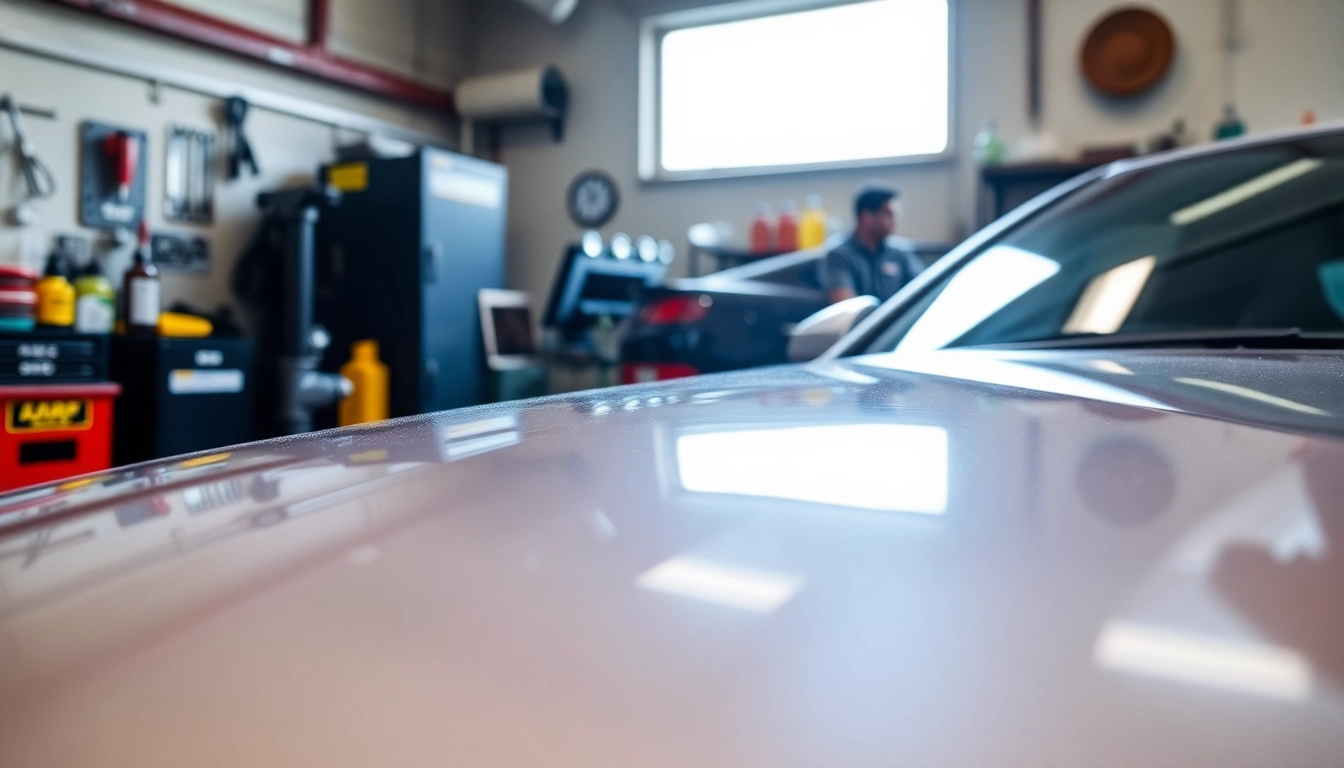
Understanding Salt Protection Ceramic Coating
What Is Salt Protection Ceramic Coating?
Salt protection ceramic coating is a highly advanced protective solution designed for automotive surfaces, specifically formulated to shield vehicles against harsh environmental factors like road salt, which can cause corrosion and paint degradation. This coating builds a durable, hydrophobic layer over the vehicle’s exterior, enhancing its resilience against the elements. Unlike traditional waxes or sealants, which provide temporary protection, ceramic coatings form a robust bond with the paint, offering long-lasting benefits. For those seeking to understand the critical importance of protecting their vehicles, investing in a salt protection ceramic coating can be a game-changer in vehicle maintenance.
How Does It Work?
At its core, the salt protection ceramic coating consists of nano-ceramic particles that interact with the surface of the vehicle. When applied, these particles fill microscopic pores and imperfections in the paint, resulting in a smooth, reflective surface. This advanced technology creates a barrier that not only repels water and dirt but also adds significant resistance to corrosion caused by road salt.
The hydrophobic properties of the coating ensure that water beads off the surface, reducing the chances of contaminants adhering to the paint. This interaction allows for easy washing, as dirt is less likely to stick to the coated surfaces. Furthermore, the UV protection offered by the coating helps maintain the vehicle’s color and shine, preventing oxidation and fading over time.
Benefits of Using Salt Protection Ceramic Coating
Investing in a salt protection ceramic coating comes with a multitude of advantages:
- Durability: The coating lasts for several years, providing extended protection without the need for frequent reapplication.
- Corrosion Resistance: Specifically designed to combat the corrosive effects of road salt, it helps maintain your vehicle’s integrity during winter months.
- Hydrophobic Properties: Water, dirt, and grime have a harder time adhering to the surface, making washing and maintenance much easier.
- UV Protection: Prevents fading and oxidation, keeping the vehicle looking newer for longer.
- Enhanced Appearance: Adds a glossy finish to the vehicle, enhancing its overall aesthetic appeal.
Preparing Your Vehicle for Application
Essential Cleaning Steps
Before applying a salt protection ceramic coating, proper preparation is crucial. An effective washing process ensures the surface is free from contaminants that could compromise the coating’s bond. Here are the essential steps:
- Initial Rinse: Begin by rinsing the vehicle thoroughly with water to remove loose dirt and grime.
- Foaming: Use a quality pH-balanced car shampoo and a foam cannon to create a thick lather, allowing the solution to sit for several minutes.
- Washing: Employ the two-bucket method—one bucket for soapy water and the other for rinsing the wash mitt. This prevents dirt from reapplying to the surface.
- Decontamination: Use a clay bar treatment to remove embedded contaminants, such as tree sap, industrial fallout, and road contaminants.
- Final Rinse and Dry: Conclude with a thorough rinse and dry the vehicle using microfiber towels to eliminate water spots.
Choosing the Right Products
Selecting the right products plays a vital role in the successful application and longevity of the salt protection ceramic coating. Specifically, look for:
- High-Quality Shampoo: Use a pH-balanced shampoo that won’t strip existing wax or sealants.
- Clay Bars: A good quality clay bar will effectively remove embedded particles for a smooth surface.
- Isopropyl Alcohol: Use a diluted solution to wipe down the surfaces post-wash, ensuring all waxes or oils are removed.
Safety Precautions and Best Practices
Before starting the coating process, adhere to safety measures to protect yourself and your vehicle:
- Wear Safety Gear: Gloves, goggles, and masks are essential to protect from inhaling or coming into contact with chemicals.
- Work in a Controlled Environment: Ideally, apply the coating in a garage or shaded area to prevent direct sunlight from affecting the application.
- Follow Manufacturer Instructions: Every product may have specific guidelines, so ensure adherence for optimal results.
Application Process of Salt Protection Ceramic Coating
Step-by-Step Guide
The application of a salt protection ceramic coating involves a precise process that can significantly impact its effectiveness:
- Surface Preparation: As previously detailed, thoroughly prepare the vehicle to ensure an excellent bond.
- Application: Using an applicator pad, apply the ceramic coating in small sections, spreading it evenly to avoid streaks.
- Leveling: After applying a section, wait a few minutes and use a microfiber towel to level and buff the area.
- Curing: Allow the coating to cure according to the manufacturer’s instructions, typically between 12 to 24 hours, depending on conditions.
Tools and Materials Needed
To effectively apply the salt protection ceramic coating, gather the necessary tools:
- Applicator pads
- Microfiber towels
- PH-balanced car shampoo
- Clay bar kit
- Isopropyl alcohol for surface prep
- Protective gear (gloves, mask, goggles)
Common Mistakes to Avoid
Several common pitfalls can lead to unsatisfactory results during application:
- Skipping the decontamination step can leave residual particles that interfere with adhesion.
- Applying the coating in direct sunlight can cause it to cure too quickly, leading to uneven patches.
- Not allowing sufficient curing time can compromise the coating’s longevity and performance.
Maintenance After Application
Regular Care for Coated Surfaces
To maintain the effectiveness of the salt protection ceramic coating, following a regular maintenance routine is essential:
- Wash the vehicle regularly with gentle, pH-balanced car shampoos to prevent buildup.
- Use a soft microfiber towel or drying aid to avoid scratching the coated surface.
- Consider applying a booster or maintenance product recommended by the coating manufacturer for enhanced protection.
How to Inspect for Damage
Regular inspections help identify areas that may need attention:
- Look for water not beading as it once did, indicating potential wear or damage.
- Inspect for any dull areas that may suggest the coating is breaking down.
- Check for scratches or contaminants that may have bonded to the surface.
Reapplication Guidelines
Understanding when and how to reapply the coating ensures ongoing protection:
- Typically, a salt protection ceramic coating lasts between two to five years, depending on conditions and maintenance.
- Consider reapplication when the hydrophobic properties diminish or water no longer beads effectively.
- Follow similar surface preparation procedures before reapplication for the best results.
Frequently Asked Questions About Salt Protection Ceramic Coating
How long does the coating last?
The longevity of a salt protection ceramic coating can be several years, depending on maintenance.
Can I apply it myself?
While DIY application is possible, professional services often ensure better results for ceramic coatings.
What surfaces can it be applied to?
It can be applied to most painted surfaces, glass, and even some plastics for added protection.
Does it protect against scratches?
While it offers a level of scratch resistance, it’s not scratch-proof; care should still be taken.
How should I wash my car after application?
Use gentle, pH-balanced products and avoid abrasive materials to maintain the integrity of the coating.