Introduction to Film Maker
The world of filmmaking is an intricate blend of artistry and technology, where vision meets execution. A Film Maker creates cinematic experiences that can captivate audiences, evoke emotions, and tell stories in ways that resonate across cultures. As the landscape of multimedia content continues to evolve, understanding what defines a filmmaker has never been more critical.
What Defines a Film Maker?
A film maker is more than just someone who points a camera and presses record. They are storytellers, artists, and technicians who harness the power of visual media to bring narratives to life. The essence of a film maker lies in their ability to transform ideas into compelling visual stories through various techniques and tools. This involves a deep understanding not only of the craft of filming but also of the nuances of human emotion and storytelling dynamics.
To succeed in this field, a film maker must apply creativity, analytical skills, and technical prowess. They must meticulously plan camera angles, shot composition, and dialogue delivery, all while ensuring that the emotional core of the story remains intact. This multifaceted role can range from directing and producing to editing and cinematography, requiring a diverse skill set coupled with a relentless pursuit of perfection.
The Evolution of Film Making
Film making has come a long way since the first moving pictures were captured in the late 19th century. The transition from silent films to sound films marked a significant turning point in cinematic history, opening new avenues for storytelling. The advent of Technicolor and the introduction of special effects further revolutionized the industry, allowing filmmakers to explore imaginative narratives and visual aesthetics like never before.
As technology advanced, so did the mediums through which films were made and consumed. The rise of digital technology and smartphones has democratized filmmaking, making it accessible to a broader audience. Today, aspiring filmmakers can create high-quality videos with minimal equipment, challenging the traditional barriers that once defined the industry. This evolution continues with innovations in virtual reality and interactive storytelling, pushing the boundaries of how audiences engage with film.
Skill Set Required for Aspiring Film Makers
For those wishing to break into the film making arena, a comprehensive skill set is crucial. Here are some key elements every aspiring film maker should focus on:
- Cinematic Storytelling: Understanding narrative structure and character development is essential for creating engaging films.
- Technical Skills: Proficiency with cameras, lighting, sound, and editing software is non-negotiable.
- Creativity: Thinking outside the box and developing unique visual aesthetics will set a film maker apart.
- Collaboration: Film making is a team effort; the ability to work harmoniously with a diverse crew is vital.
- Project Management: From scheduling to budgeting, strong organizational skills are crucial for overseeing film projects.
Essential Tools for Every Film Maker
Cameras and Equipment
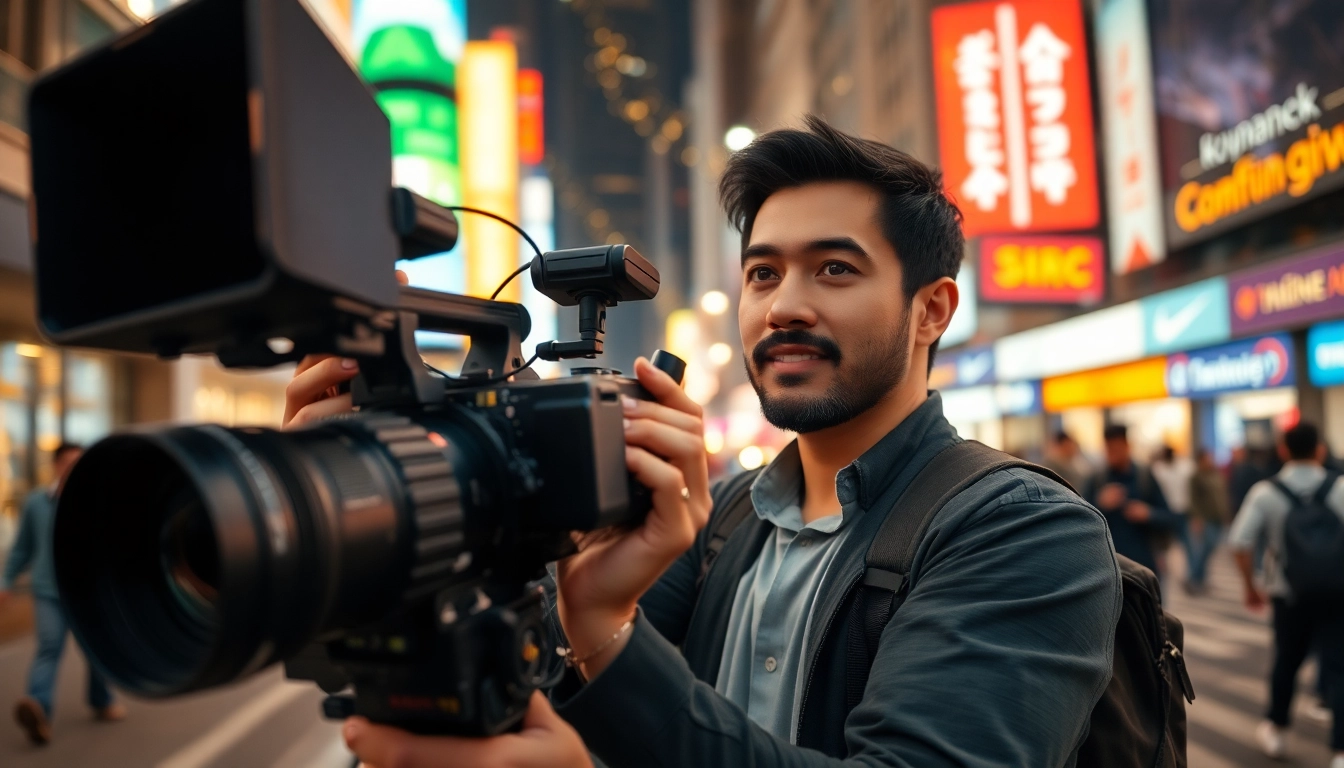
The foundation of great cinema lies in its equipment. The choice of camera plays a pivotal role in the overall quality and aesthetic of a film. Depending on the project’s scale and budget, filmmakers can choose from a variety of cameras, from affordable DSLRs to high-end cinema cameras. Additionally, equip yourself with lenses, stabilizers, and tripods to enhance your shooting capabilities.
Moreover, sound equipment such as microphones and audio recorders are equally important. High-quality audio can significantly impact the production value of a film. Lighting equipment, including key lights, fill lights, and reflectors, is also essential, as proper lighting can dramatically alter the mood and tone of a scene.
Editing Software for Film Makers
Editing is where the magic truly happens. It’s a phase that takes raw footage and turns it into a polished film. Popular editing software options include Adobe Premiere Pro, Final Cut Pro, and DaVinci Resolve. Each offers unique features tailored to different editing styles and user preferences.
As you delve into editing, learn the fundamentals of pacing, transitions, and color grading. Understanding how to manipulate time and rhythm through editing can leave a lasting impression on an audience. Innovative editing techniques, such as montage and jump cuts, can also give your storytelling a fresh perspective.
Sound and Lighting Techniques
Sound design and lighting are crucial elements that breathe life into a film. Understanding sound design involves knowing how to layer sound effects, dialogue, and background music to create an immersive viewing experience. The balance between these elements can make or break the emotional impact of a scene.
Equally important, mastering lighting techniques can dictate the mood and atmosphere of your film. Learn to manipulate natural light and incorporate artificial lighting sources effectively. Understanding concepts such as three-point lighting and motivated light can elevate a film’s aesthetic and narrative qualities.
Creative Techniques for Film Makers
Storytelling through Film
Every great film tells a story that resonates with its audience. Effective storytelling in film involves more than just a linear plot; it encompasses character arcs, themes, and emotional engagement. To craft impactful narratives, consider using tools such as the hero’s journey framework or the three-act structure, which can help organize thoughts and ensure a compelling flow in storytelling.
Incorporating subtext—what is unsaid—can add layers to the narrative, prompting viewers to engage more deeply with the film’s themes. Furthermore, consider the importance of pacing, where the rhythm of storytelling must align with emotional beats to maintain audience interest.
Visual Composition and Aesthetics
The visual component of filmmaking is integral to storytelling. Understanding composition principles like the rule of thirds, leading lines, and framing can significantly enhance the visual storytelling aspect. Effective use of color palettes can also convey emotions and set the tone for the narrative.
Experiment with angles and perspectives, as they can dramatically change how an audience perceives a scene. Low-angle shots can convey power, while high-angle shots might evoke vulnerability. Always aim to use visuals that complement the story being told, creating a seamless blend between narrative and image.
Effective Use of Music and Sound
Music and sound design are essential in creating an emotional connection with the audience. Score and soundtrack choices should reflect the film’s tone; whether it is suspenseful, uplifting, or melancholic, sound plays a pivotal role in shaping audience perception.
Moreover, mastering sound effects can enhance realism and immersion. Subtle audio cues—ambience, foley, or even silence—can evoke feelings of tension or comfort. A nuanced understanding of how sound influences the viewer’s experience will enrich a film’s storytelling capabilities.
Challenges Faced by Film Makers
Budgeting for Film Projects
One of the foremost challenges for filmmakers is working within budget constraints. Effective budgeting requires not just allocating funds wisely but also identifying potential funding sources through grants, investors, or crowdfunding campaigns. Create a detailed budget plan that includes pre-production, production, and post-production expenses.
To maximize your budget, prioritize essential elements and seek cost-effective solutions where possible, like collaborating with emerging talent or using available resources smartly. Regularly monitor costs throughout the project to avoid budget overruns.
Time Management Strategies
Time is a precious resource in filmmaking, and managing it wisely can significantly impact a project’s success. Establish clear timelines for each phase of film production, from pre-production through post-production, and stick to them as closely as possible.
Utilizing project management tools can help keep track of tasks and deadlines. Schedule regular check-ins with your team to ensure everyone is aligned and aware of their roles and responsibilities. Flexibility is essential, as changes may arise during production—being able to adapt while maintaining the timeline is key.
Navigating Industry Competition
The film industry is saturated with talent, making competition fierce. To stand out, filmmakers must continually develop their unique voice and style. Participate in film festivals and community workshops to gain recognition and network with industry professionals.
Engaging in collaborative projects or joining filmmaker organizations can provide a support system and lead to learning opportunities. Additionally, maintaining an active online presence, showcasing work on social media platforms, and creating a personal brand can enhance visibility and attract potential collaborators and audiences.
Future Trends in Film Making
The Impact of Digital Technology on Film Makers
Digital technology is transforming filmmaking, making it more accessible and affordable. With advancements in camera technology and software, filmmakers can produce high-quality content with relative ease. Moreover, streaming services have altered traditional distribution models, allowing independent filmmakers to reach vast audiences without relying on traditional cinema releases.
Furthermore, the use of artificial intelligence in editing and scriptwriting processes can streamline production, allowing filmmakers to focus more on creative aspects. Embracing these digital tools will be essential for filmmakers looking to thrive in the modern industry.
Emerging Genres and Styles
The film industry continually evolves, and emerging genres reflect societal changes and audience preferences. The rise of documentaries addressing current social issues, as well as the popularity of genre-blending films, highlight a shift towards more versatile storytelling.
Filmmakers are also exploring innovative formats, such as short-form content for digital platforms. These evolving genres and styles present opportunities for new voices and diverse narratives to gain visibility in mainstream media.
The Role of Virtual Reality in Film Making
Virtual reality (VR) represents a groundbreaking frontier in filmmaking, allowing creators to develop immersive experiences that engage viewers on an entirely new level. This technology opens doors for innovative storytelling techniques that blend reality with the fantastical.
As VR technology becomes more mainstream, film makers who master this medium can create unique narratives that allow audiences to become active participants in the story. Understanding the principles of VR storytelling will be essential for filmmakers aiming to utilize this powerful tool.
FAQs about Film Making
1. What skills do I need to become a film maker?
Key skills include storytelling, technical proficiency in camera and editing software, creativity, collaboration, and project management. Continuous learning and experimentation are also vital.
2. How can I fund my film project?
Consider applying for grants, seeking crowdfunding, gaining investor support, or collaborating with production companies. Careful budgeting also helps to maximize available resources.
3. What is the importance of sound design in film?
Sound design enhances the film experience by creating an emotional connection, immersing viewers in the narrative, and elevating the overall production quality through expertly crafted audio elements.
4. How do I find my niche as a film maker?
Experiment with various genres and styles to discover your unique voice. Attend workshops and film festivals, and seek feedback from peers to refine your approach and distinguish your work.
5. What trends are shaping the future of film making?
Current trends include the integration of digital technology, the rise of virtual reality, the popularity of mixed genres, and innovative storytelling methods driven by audience engagement and feedback.
Contact Information
Call Us: (800) 896-5502
Address: 2670 Union Avenue, Suite 810, Memphis, Tennessee 38112, United States