Understanding Precision Plate Cutting
Precision plate cutting is an essential process in various industries, allowing for intricate designs and impeccable dimensions in metal projects. This process requires not just advanced technology but also careful planning and execution. By employing precision plate cutting, businesses can ensure that their products meet rigorous quality standards and specifications.
What is Precision Plate Cutting?
Precision plate cutting refers to the meticulous process of cutting metal plates to specific dimensions, ensuring sharp edges, clean finishes, and adherence to the required tolerances. This can involve various techniques, including laser cutting, waterjet cutting, and plasma cutting, each suited to different materials and thicknesses. The goal is to create components that fit perfectly into their intended applications, whether in automotive manufacturing, aerospace engineering, or construction.
Importance of Precision in Metalworking
The demand for precision in metalworking cannot be overstated. Components that fit incorrectly can lead to significant waste, increased costs, and project delays. Moreover, in sectors such as aerospace and medical device manufacturing, the slightest deviation from specifications can result in catastrophic failures or safety issues. Therefore, achieving precision in every cut is a non-negotiable requirement that enhances not only the quality of the product but also the overall efficiency of the manufacturing process.
Overview of Cutting Techniques
Several cutting techniques are employed in precision plate cutting, each with unique advantages and applications:
- Laser Cutting: Utilizes focused beams of light to cut through materials with precision.
- Waterjet Cutting: Uses high-pressure jets of water mixed with abrasive materials, ideal for sensitive materials.
- Plasma Cutting: An efficient method for cutting through thicker materials using high-temperature plasma.
Each technique has its ideal use case, and understanding their nuances is crucial for selecting the right one for a specific project.
Essential Tools for Precision Plate Cutting
CNC Plasma Cutters
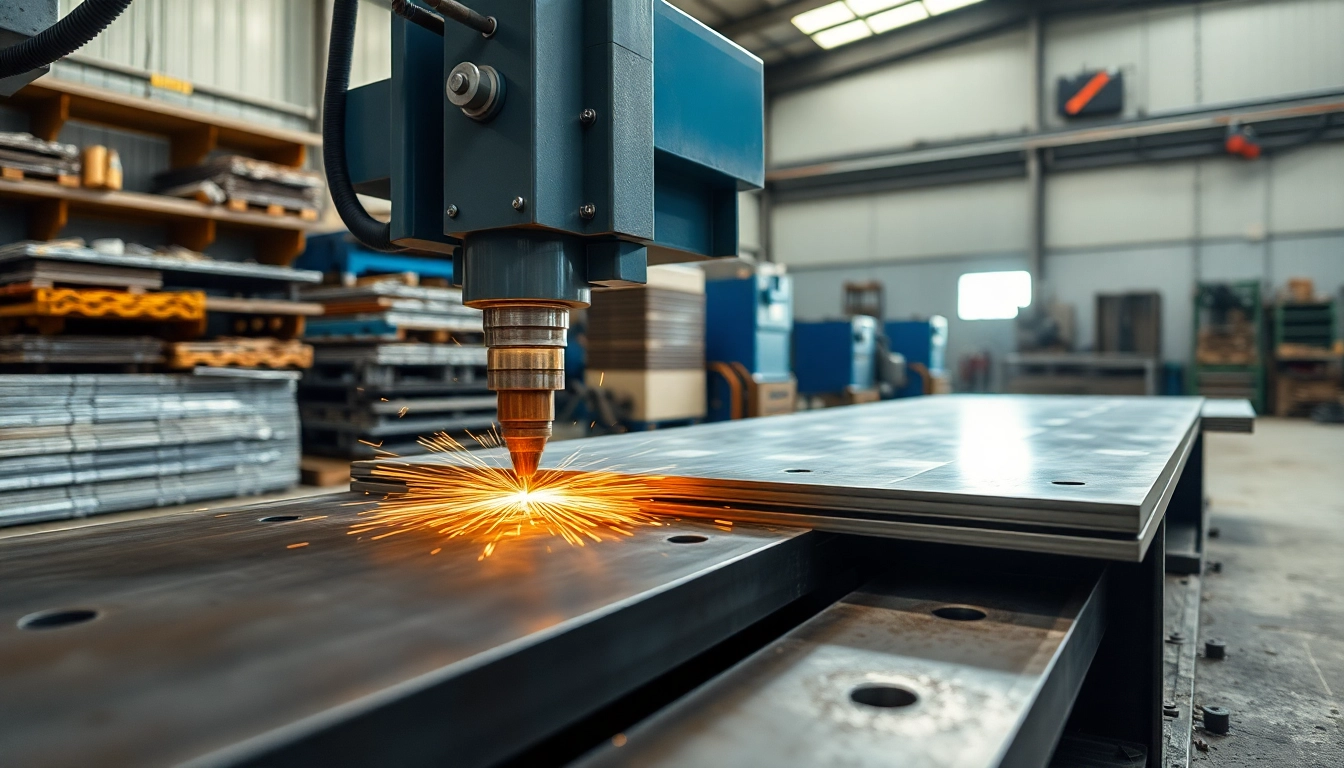
CNC plasma cutters offer substantial benefits for precision plate cutting, especially when dealing with thicker materials. These machines use a plasma arc to melt the metal as the tool moves along a programmed path. CNC plasma cutting provides high-speed cuts with good edge quality and is particularly effective for steel and aluminum. The automation of the CNC (Computer Numerical Control) process allows for repeatability and precision that manual cutting simply cannot achieve.
Waterjet Cutting Machines
Waterjet cutting machines are prized for their ability to cut through various materials without generating heat. This is particularly beneficial for materials that may be affected by thermal distortion. The process involves using a high-pressure stream of water, sometimes mixed with an abrasive substance, to slice through plates. Waterjet cutting is incredibly versatile and can handle delicate materials like glass and rubber alongside steel and plastics, making it a popular choice in industries requiring high precision and flexibility.
Laser Cutting Systems
Laser cutting systems are renowned for their exceptional accuracy and the quality of cuts they produce. The technology employs a highly focused laser beam to vaporize the material, producing clean edges with minimal waste. It is unparalleled when working with intricate designs or tight tolerances and is widely used in industries such as aerospace, automotive, and decorative components. The capabilities of modern laser cutting systems allow for rapid prototyping and customization, further enhancing their utility.
Techniques for Achieving Accurate Cuts
Preparation and Setup
Achieving accurate cuts starts long before the cutting begins. Proper preparation and setup are vital to ensure the success of the cutting operation. This involves selecting the right material, understanding its properties, and determining the most appropriate cutting methodology. It’s essential to prepare templates or CAD drawings, calibrate cutting machines, and run test cuts on scrap material to validate settings. This upfront investment in preparation significantly minimizes errors and enhances cutting accuracy.
Best Practices during Cutting
During the cutting process, adhering to best practices can prevent common issues such as warping, rough edges, or dimensional inaccuracies. Key practices include maintaining consistent feed rates, ensuring the cutting head is at the correct height, and regularly checking for any signs of wear in tools or machines. Operators should be trained in troubleshooting issues that may arise during cutting to adapt quickly and maintain precision production.
Post-Cutting Procedures
Post-cutting procedures are crucial for maintaining quality and preparing the cut pieces for further processing or assembly. This includes deburring edges to remove any sharp or rough spots and thoroughly inspecting each piece for dimensional accuracy. Depending on the end-use, it may also involve additional processes such as plating or coating to enhance durability. These final touches ensure that the product meets quality standards and customer expectations.
Cost Considerations in Precision Plate Cutting
Factors Affecting Cutting Costs
Understanding the factors affecting the cost of precision plate cutting helps businesses budget effectively. Key factors include the type of material being cut, the complexity of the design, and the chosen cutting method. Other considerations include machine setup time, the availability of skilled operators, and the overall production volume. Higher precision requirements tend to increase costs as they often demand advanced technologies and more stringent quality control.
Cost Comparison of Different Techniques
When comparing costs among the popular cutting techniques, it’s important to analyze not just the per-cut cost but the overall efficiency gains. For example, while laser cutting might have a higher initial setup cost, its speed and edge quality can lead to longer-term savings in both time and material waste. Waterjet cutting may be more cost-effective for certain materials, while CNC plasma cutting can provide a balance between cost and performance for thicker plates. Businesses should evaluate their specific needs and production levels to find the best fit.
Strategies for Cost Efficiency
To maximize cost efficiency in precision plate cutting, businesses can adopt several strategies. First, investing in high-quality machinery may reduce maintenance and downtime costs. Second, integrating software solutions for better project management can enhance workflow and minimize waste. Third, maintaining good relationships with suppliers can lead to better material rates and service conditions. Finally, training employees on the latest technology and techniques ensures that operations run smoothly and efficiently, further driving down costs.
FAQs about Precision Plate Cutting
How to choose the right cutting method?
Choosing the right method depends on factors like material type, thickness, complexity of the design, and desired finish. Analyzing project needs helps determine the best approach.
What materials can be cut with precision techniques?
Common materials include steel, aluminum, stainless steel, plastics, and composites. Each cutting technique may perform differently depending on the material’s properties.
What thicknesses can laser and plasma cutting handle?
Laser cutting can handle materials up to 20mm for steel, while plasma cutting can efficiently work with plates much thicker, often exceeding 25mm depending on the machine’s capacity.
How to maintain cutting machines?
Regular maintenance involves cleaning components, checking calibration, and replacing worn parts. Following the manufacturer’s maintenance schedule ensures optimal performance.
What safety measures should be in place during cutting?
Safety measures include protective gear, proper machine operation training, and routine inspections. Establishing protocols for emergencies is crucial for a safe working environment.
Contact Information
Call Us: 780-955-3999
Email: [email protected]
Address: 1204 8 St, Nisku, AB T9E 7M1