Understanding Vinyl Plank Flooring
What is Vinyl Plank Flooring?
Vinyl plank flooring is a versatile and affordable flooring option designed to mimic the appearance of natural materials like hardwood or stone. Made from synthetic materials, it typically consists of several layers, including a protective top layer, an image layer that displays the design, a core layer for stability, and a backing layer to enhance comfort underfoot. This innovative flooring solution is available in a variety of styles, colors, and textures, making it a popular choice for both residential and commercial spaces.
Benefits of Vinyl Plank Flooring
Choosing vinyl plank flooring comes with numerous advantages:
- Water Resistance: Most vinyl plank flooring is water-resistant, making it ideal for bathrooms, kitchens, and basements.
- Ease of Installation: Its design allows for straightforward installation, often requiring less labor than other flooring types.
- Comfort: Vinyl planks provide a softer surface underfoot compared to tile or hardwood, making them comfortable for prolonged standing.
- Affordability: Vinyl plank flooring is generally more budget-friendly without sacrificing style, offering an attractive finish that resembles premium materials.
- Low Maintenance: Routine maintenance involves simple sweeping or vacuuming and mopping with a damp cloth, making upkeep manageable.
Different Types of Vinyl Plank Flooring
Vinyl plank flooring comes in different types, each catering to various needs and preferences:
- Luxury Vinyl Plank (LVP): This high-end option closely resembles real wood or stone and offers superior durability and comfort.
- Standard Vinyl Plank: More budget-friendly, standard vinyl planks are still stylish but may lack some features of LVP.
- Rigid Core Vinyl Plank: With a solid core, this option provides additional stability and impact resistance, making it suitable for high-traffic areas.
- Flexible Vinyl Plank: Thinner and more pliable, this type is easier to handle during installation but may need more care regarding durability.
Choosing the Right Vinyl Plank Flooring
Factors to Consider When Selecting
When selecting vinyl plank flooring, consider the following factors:
- Room Usage: Assess the area where the flooring will be installed. High-traffic areas like hallways will require more durable options, while bedrooms might prioritize comfort.
- Moisture Levels: Ensure the selected vinyl plank is suitable for spaces with high moisture exposure, such as kitchens and bathrooms.
- Thickness: Thicker planks generally offer better noise insulation and feel more luxurious underfoot.
Color and Design Options
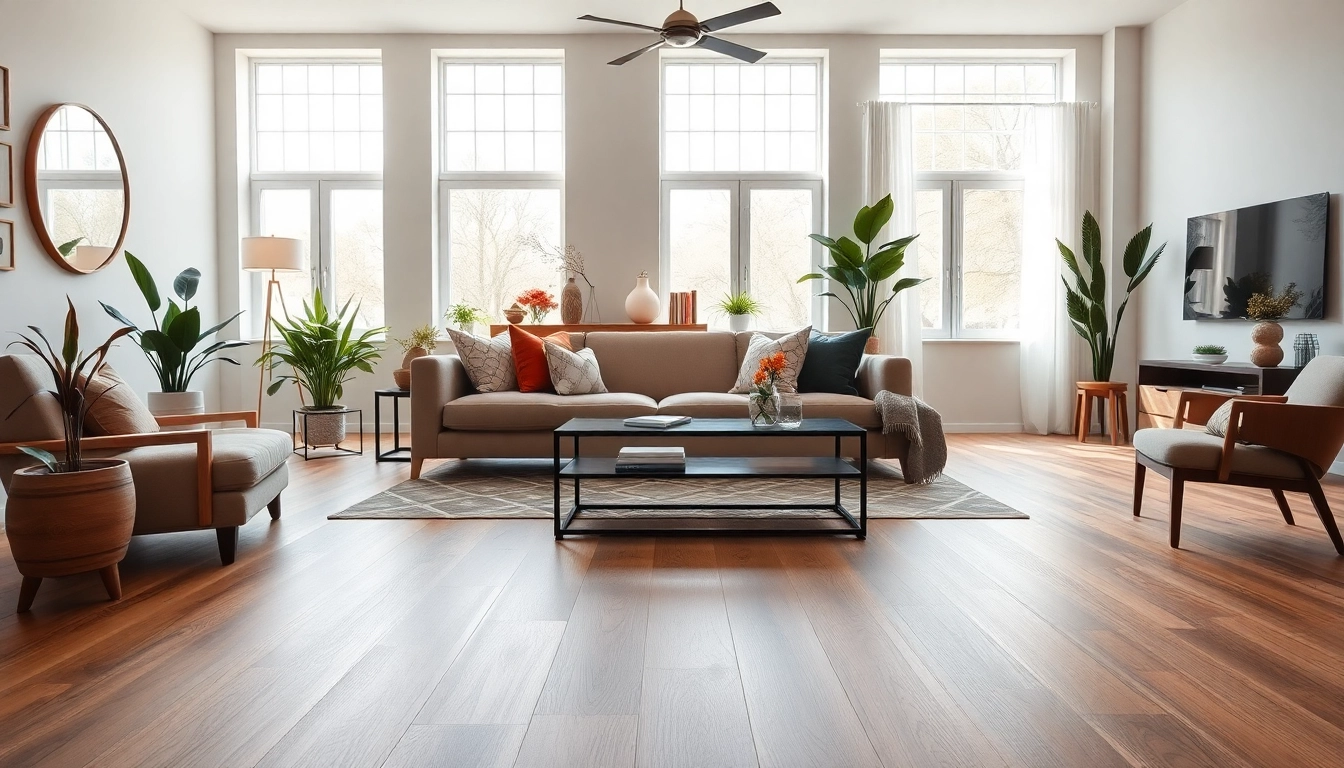
Vinyl plank flooring comes in a plethora of color and design options. From traditional oak and maple tones to unique patterns that imitate more exotic woods or stones, there’s a style for every aesthetic:
- Natural Variations: Many planks incorporate variations in color and grain patterns for a more authentic look.
- Trendy Finishes: Options range from high gloss to matte finishes, allowing homeowners to create the desired ambiance.
- Custom Looks: Some manufacturers offer customizable designs to fit specific themes or personal tastes.
Durability and Maintenance Considerations
Vinyl plank flooring is known for its durability, but specifics vary by product:
- Wear Layers: The thickness of the wear layer influences how resistant the flooring is to scratches, stains, and fading.
- Maintenance Guidelines: Adhering to manufacturer recommendations ensures longevity. Regular cleaning and avoiding harsh chemicals keep your flooring in top shape.
- Foot Traffic: For areas with high traffic, look for thicker, commercial-grade vinyl planks that can withstand daily wear and tear.
Installation Process for Vinyl Plank Flooring
DIY Installation vs. Professional Services
When it comes to installation, homeowners may choose between DIY and professional services. DIY installation is often feasible due to the straightforward locking mechanisms on many vinyl plank products:
- Cost Savings: Taking a DIY approach can save money but requires time and the right tools.
- Professional Installation: Hiring professionals can ensure precision and may provide warranties that benefit long-term maintenance.
Preparation Steps for Installation
Before beginning installation, it’s crucial to prepare the space:
- Floor Inspection: Ensure the subfloor is clean, dry, and level.
- Acclimation: Allow the planks to acclimate in the room where they will be installed for 48 hours.
- Underlayment: Consider installing an underlayment to enhance comfort and sound reduction.
Finishing Touches and Care
Once installed, add finishing touches to enhance the overall look:
- Baseboards and Trim: Installing suitable baseboards or trim can refine the transition between flooring and walls.
- Regular Maintenance: Periodic maintenance, such as gentle sweeping and mopping, will keep the flooring looking fresh.
Cost Analysis of Vinyl Plank Flooring
Average Costs and Pricing Factors
The cost of vinyl plank flooring varies widely due to several factors:
- Material Quality: Higher-quality products, like luxury vinyl planks, will naturally have a higher upfront cost.
- Installation Costs: If hiring a professional, this could add to the total expense. DIY saves this cost but may lead to mistakes if not done correctly.
- Geographic Location: Costs can differ by region, depending on local market prices and availability.
Long-term Value and Investment
Investing in vinyl plank flooring can yield a favorable return due to its durability and low maintenance needs. When well cared for, quality vinyl plank flooring can last 10-20 years or more, making it a wise choice for long-term comfort. Additionally, its resistance to water and wear minimizes repair costs, making it an economically sound option for homeowners.
Financing Options for Vinyl Plank Flooring
Many retailers offer financing options for vinyl plank flooring, allowing buyers to spread the cost over time. Explore possibilities like:
- Installment Plans: Payments can often be divided into manageable monthly installments.
- Interest-Free Promotions: Some stores may offer promotional interest-free financing for a specific duration, making it easier to budget.
Frequently Asked Questions About Vinyl Plank Flooring
How long does vinyl plank flooring last?
With proper care, vinyl plank flooring can last between 10 to 20 years, depending on quality and usage conditions.
Can vinyl plank flooring be installed over existing floors?
Yes, vinyl plank flooring can often be installed over existing floors, provided the surface is flat and in good condition.
Is vinyl plank flooring water-resistant?
Most vinyl plank flooring is water-resistant, making it suitable for humid areas, although extended exposure can still cause issues.
What is the best way to clean vinyl plank flooring?
Use a soft broom or vacuum for daily cleaning and a damp mop with mild detergent for deeper cleaning, avoiding harsh chemicals.
How do I choose the right thickness for vinyl plank flooring?
Choose the thickness based on your installation area. For high traffic or commercial spaces, opt for thicker planks for enhanced durability.