Understanding Cape Cod Home Architecture
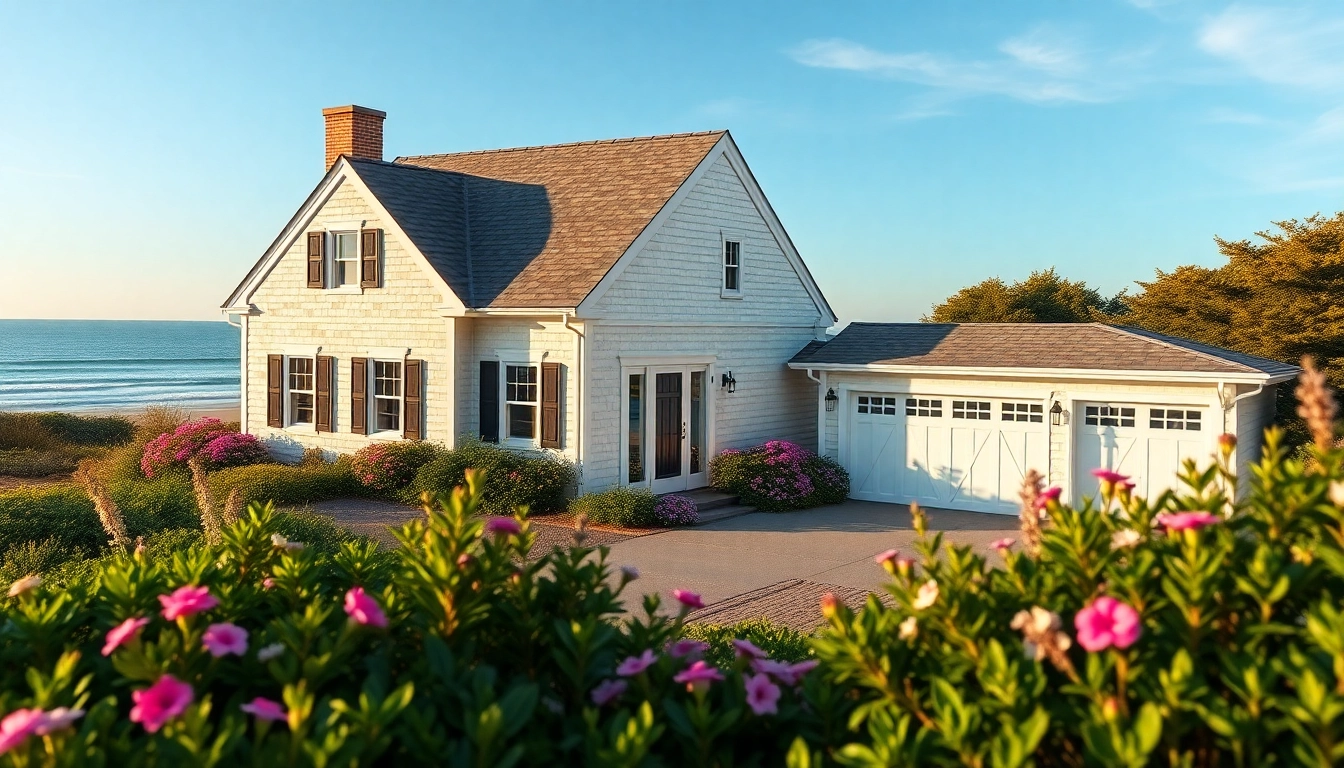
The cape cod home style is a classic American design that captures the New England spirit, combining charm, functionality, and a deep connection to nature. Known for their steep roofs, dormer windows, and shingle siding, Cape Cod homes evoke a sense of simplicity and timelessness. This article aims to explore the unique characteristics, historical context, and the reasons behind the enduring appeal of Cape Cod homes.
Characteristics of Cape Cod Home
Cape Cod homes are recognized for several defining features:
- Symmetrical Design: Typically one to one-and-a-half stories, these homes boast a rectangular shape that emphasizes symmetry.
- Steeply Pitched Roofs: The high roof pitch, which usually exceeds 45 degrees, helps shed snow and rain, making this design functional in harsh northeastern climates.
- Dormer Windows: These windows are commonly found on the upper story or attic space, providing natural light and additional headroom.
- Widespread Use of Wood: Wood siding painted in muted colors, often in shades of gray, blue, or white, reflects the coastal aesthetic.
- Simple Porch: Most Cape Cod homes feature a modest front porch, enhancing their curb appeal while offering a welcoming space for relaxation.
Historical Background and Evolution
The genesis of Cape Cod homes can be traced back to the 17th century when early settlers sought to create sturdy shelters that could withstand the harsh coastal weather. The architecture has evolved, initially influenced by colonial designs, and has come to symbolize American residential style. Over the decades, variations have emerged, adapting to both regional climates and personal tastes.
In the mid-20th century, the Cape Cod style witnessed a resurgence as homeowners began to appreciate nostalgia and simplicity after World War II. Today, many seek to incorporate modern amenities without compromising the fundamental features that make these homes appealing.
Why Choose a Cape Cod Home?
Deciding to build or buy a Cape Cod home often stems from its timeless appeal and versatility:
- Timeless Aesthetic: The classic design seems to fit naturally within a variety of landscapes, blending seamlessly with both coastal and inland settings.
- Functional Layout: The straightforward interior makes Cape Cod homes highly livable, with an emphasis on open spaces that create a welcoming environment.
- Energy Efficiency: Original designs emphasized insulation and durability, traits that have only improved with modern building practices, ensuring energy efficiency.
- Customization Potential: Their simplicity allows for ample personalization, enabling homeowners to infuse modern features without losing architectural integrity.
- Community and Tradition: Living in a Cape Cod home connects homeowners to a rich historical narrative and a sense of community that values the past.
Planning Your Cape Cod Home Design
When it comes to planning your Cape Cod home, keeping in mind essential design elements, layout considerations, and material selection will ensure a successful outcome that embodies both elegance and functionality.
Essential Design Elements
Building a Cape Cod home involves a careful consideration of essential design elements that pay homage to tradition while accommodating modern living:
- Roof Design: High-pitched roofs with gables are crucial, serving both aesthetic and practical purposes.
- Windows: Choosing diamond-pane windows complements the Cape Cod style, enhancing its historic feel.
- Natural Light: Incorporating large windows or strategically placed skylights can bring the beauty of the outdoors inside.
- Flooring: Hardwood floors, often in pine or oak, are timeless choices that add warmth to your home’s interior.
- Color Scheme: Soft, muted colors that mimic natural settings typically work best, creating a calming ambiance.
Functional Layout Considerations
The functional layout of a Cape Cod home emphasizes simplicity and ease of use to align with the lifestyle of its inhabitants:
- Open Floor Plan: An interconnected space between the kitchen, dining, and living areas promotes interaction and warmth.
- Bedroom Placement: Consider placing bedrooms on the ground floor for accessibility, particularly if the upstairs is reserved for children or guests.
- Storage: Adequate built-in storage solutions can maintain a clean aesthetic while offering practicality.
- Flow: Ensure clear pathways between rooms to enhance movement and accessibility.
- Outdoor Access: Integrate doors that lead to outdoor spaces to extend living areas and connect with nature.
Choosing the Right Materials
Enriching the Cape Cod aesthetic requires careful selection of materials that reflect quality and sustainability:
- Siding Choices: Wood shingles treated for weather resistance provide authenticity while ensuring durability against the elements.
- Roofing Materials: Asphalt shingles are practical, while cedar shakes lend a classic look.
- Insulation: Modern insulation materials should be used to enhance energy efficiency while preserving traditional design.
- Interior Finishes: Natural materials such as stone and wood will muffle sound and create an inviting environment.
- Landscaping Materials: Utilize native stones and plants that require minimal maintenance and augment the natural beauty of your property.
Integrating Modern Features
Incorporating modern elements into a Cape Cod home can create a harmonious balance between tradition and contemporary living. With thoughtful design, these homes can embrace modern technology while retaining their classic character.
Combining Traditional and Contemporary Styles
Blending styles requires skillful design choices that respect the core characteristics of a Cape Cod home:
- Modern Additions: Consider glass extensions or extensions that maintain traditional roof lines to create contemporary spaces without compromising the original design.
- Interior Design: Utilize modern furnishings that contrast with classic architectural elements, like vintage-inspired furniture paired with sleek pieces.
- Color Palette: While traditional homes typically feature muted colors, striking bold accents can infuse modern energy.
- Landscape Design: Mix native plants with contemporary hardscaping, like patios or fire pits, to create inviting outdoor spaces.
Incorporating Eco-Friendly Solutions
Today’s homeowners are increasingly interested in sustainability, and there are numerous eco-friendly solutions that can be integrated without losing the essence of Cape Cod homes:
- Energy-Efficient Windows: Install windows designed to reduce heat loss and improve overall energy efficiency.
- Solar Panels: Adding solar panels can offset energy costs while being unobtrusive if designed properly.
- Water Conservation: Implement rainwater harvesting systems and use native plant landscaping to minimize water usage.
- Insulation Techniques: Utilize sustainable insulation options such as cellulose or sheep wool for improved energy conservation.
Technology in Cape Cod Homes
Modern technology can enhance the living experience within Cape Cod homes:
- Smart Home Systems: Implement smart thermostats and lighting systems to optimize energy usage and enhance convenience.
- Home Security: Integrating modern security features like surveillance cameras and smart locks can enhance safety without disrupting aesthetics.
- Entertainment Systems: Conceal modern entertainment setup within built-in cabinetry for a seamless look.
Landscaping Around Your Cape Cod Home
A well-designed landscape will enhance the charm of your Cape Cod home, complementing its aesthetic while creating inviting outdoor spaces.
Perfect Plants for Coastal Settings
Choosing the right plants is crucial, especially in coastal environments where salt and wind can impact growth:
- Beach Grass: This hardy plant provides excellent erosion control while offering a native aesthetic.
- Sea Oats: Another excellent choice for windbreaks, sea oats can create a natural privacy screen.
- Native Shrubs: Consider shrubs like bayberry and rugosa rose, which thrive in coastal environments and require minimal maintenance.
- Flower Choices: Drought-resistant perennials such as black-eyed Susans or daylilies can provide vibrant color without intensive care.
Creating Outdoor Living Spaces
Outdoor living spaces can serve as essential extensions of your home, adding value and enjoyment:
- Patios and Decks: Create space for family gatherings or relaxing evenings by incorporating well-designed patios or decks.
- Fire Pits: Integrating a fire pit can enhance outdoor functionality, extending the usability in cooler weather.
- Garden Spaces: Raised garden beds can encourage vegetable growing, while ornamental gardens can beautify the area.
- Outdoor Furniture: Choose weather-resistant furniture that complements your design while providing comfort and utility.
Maintenance Tips for Your Landscape
Maintaining a beautiful and sustainable landscape requires regular attention and practical strategies:
- Regular Watering: Early mornings or late afternoons are the optimal times for watering to minimize evaporation and fungal growth.
- Weed Control: Employ natural mulch or ground covers to suppress weeds and reduce maintenance efforts.
- Seasonal Pruning: Ensure plants remain healthy and vibrant by pruning during their respective growth seasons.
- Soil Health: Regularly test soil quality and enrich it with compost for improved plant growth and resilience.
FAQs About Cape Cod Homes
What defines a cape cod home?
A Cape Cod home typically features a steeply pitched roof, dormer windows, and a symmetrical design, all contributing to its signature New England aesthetic.
How can I modernize a cape cod home?
Modernizing a Cape Cod home can include incorporating contemporary materials, updating the floor plan for openness, and integrating smart technology.
Are cape cod homes energy-efficient?
Yes, with proper insulation and modern building practices, Cape Cod homes can be highly energy-efficient, addressing contemporary energy concerns.
What is the typical layout of a cape cod home?
A typical Cape Cod home features a central living area with bedrooms on either side and an upper level for additional rooms or storage.
What materials are best for building cape cod homes?
Wood siding, asphalt shingles, and energy-efficient windows are ideal choices that align with the traditional style while offering durability and efficiency.