Understanding Vegan Astaxanthin
In the ever-evolving landscape of health and wellness, supplements derived from natural sources have surged in popularity. Among these, vegan astaxanthin stands out as a powerful antioxidant, capturing the attention of health enthusiasts and experts alike. Derived primarily from algae, vegan astaxanthin presents an appealing option for those seeking plant-based nutraceuticals with significant health benefits.
What is Vegan Astaxanthin?
Astaxanthin is a keto-carotenoid, a type of pigment that is responsible for the vibrant red, orange, and pink hues found in a variety of marine life, including salmon, shrimp, and flamingos. However, when we refer to "vegan astaxanthin," we are specifically discussing astaxanthin sourced from microalgae, such as Haematococcus pluvialis. This plant-based form is particularly attractive to vegans and vegetarians who want to avoid animal-derived ingredients.
Sources and Production of Vegan Astaxanthin
The primary source of vegan astaxanthin is the microalga Haematococcus pluvialis, known for its ability to produce astaxanthin in response to environmental stressors, such as UV light and nutrient deprivation. The cultivation of this algae is often performed in controlled environments, ensuring high purity and potency levels. The extraction process typically involves cold extraction methods and organic solvents to maintain the integrity of the bioactive compounds, making it safe and suitable for vegan consumption.
Health Benefits of Vegan Astaxanthin
Vegan astaxanthin is renowned for its numerous health benefits. Research has shown that it possesses potent anti-inflammatory and antioxidant properties, making it effective in combating oxidative stress within the body. Here are some of the key health benefits:
- Skin Health: Astaxanthin has been linked to improved skin elasticity and hydration, reducing the appearance of fine lines and wrinkles.
- Eye Health: It supports eye health by providing protective effects against UV light exposure and may help prevent age-related macular degeneration.
- Exercise Performance: Studies suggest that astaxanthin enhances endurance and muscle recovery, making it a popular supplement among athletes.
- Heart Health: It helps to lower oxidative stress and inflammation, potentially reducing the risk of cardiovascular diseases.
Market Trends in Vegan Astaxanthin
The vegan astaxanthin market is poised for significant growth in the coming years. As consumers become more health-conscious, the demand for plant-based supplements continues to rise. With the market projected to reach new heights by 2026, understanding the current trends is crucial for consumers and businesses alike.
2026 Market Predictions for Vegan Astaxanthin Products
Market analysts predict that the global vegan astaxanthin market will experience remarkable growth, with an estimated compound annual growth rate (CAGR) of over 10% by 2026. This growth is largely attributed to increasing consumer awareness about veganism and the associated health benefits of natural antioxidants. Additionally, the expansion of e-commerce platforms is set to make vegan astaxanthin products more accessible to a broader audience.
Consumer Demand: The Rise of Plant-Based Supplements
As the trend toward holistic health and wellness gains momentum, the demand for plant-based supplements, including vegan astaxanthin, has skyrocketed. Consumers are increasingly seeking alternatives to traditional supplements, favoring those that are perceived as cleaner, greener, and more sustainable. The rise of the vegan demographic, coupled with the general population's growing interest in plant-based diets, is driving this trend forward.
Competitive Landscape: Key Players in the Vegan Astaxanthin Market
Major players in the vegan astaxanthin market include companies like Cyanotech Corporation, Algatechnologies, and AstaReal. These companies are focused on improving their production techniques and expanding their product ranges to cater to the evolving preferences of health-conscious consumers. Additionally, emerging brands are entering the market, enhancing competition and encouraging innovation.
Vegan Astaxanthin: Applications and Uses
Vegan astaxanthin's versatility allows it to be incorporated into a variety of products. From dietary supplements to skincare items, its applications are broad and diverse, catering to both health and beauty enthusiasts.
Incorporating Vegan Astaxanthin in Daily Routines
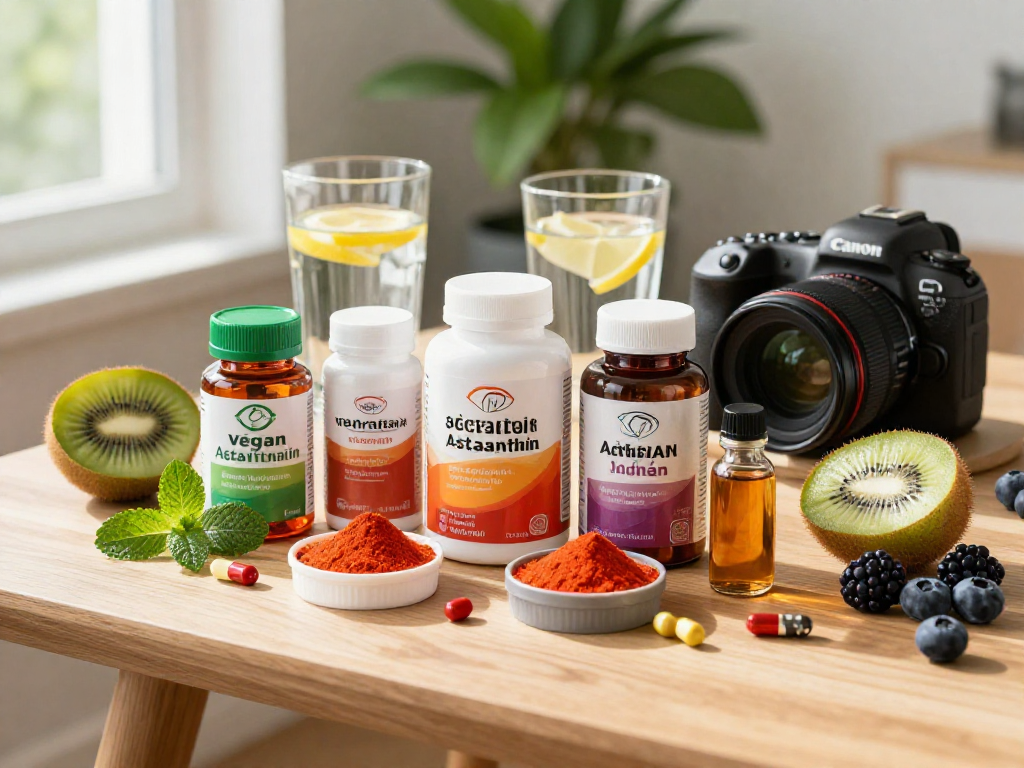
For those looking to enhance their daily nutrition, incorporating vegan astaxanthin into health routines is a straightforward process. It can be taken in capsule form alongside other supplements or included in smoothies and shakes for an added nutritional boost. Its flavor is mild, making it easy to integrate into various recipes.
Recipes Featuring Vegan Astaxanthin
Here are a couple of simple recipes that feature vegan astaxanthin:
- Astaxanthin Smoothie: Blend together spinach, banana, almond milk, a tablespoon of chia seeds, and a teaspoon of vegan astaxanthin powder for a nutrient-dense breakfast.
- Astaxanthin Energy Bites: Combine dates, oats, nut butter, and a spoonful of astaxanthin powder, form into balls, and refrigerate for a healthy snack.
Vegan Astaxanthin in Skincare Products
The skincare industry is also embracing vegan astaxanthin due to its potent antioxidant properties. Many brands are now formulating creams and serums that include astaxanthin as a key ingredient, highlighting its ability to protect skin from environmental stressors and promote a youthful appearance.
Challenges and Misconceptions Surrounding Vegan Astaxanthin
Despite its popularity, vegan astaxanthin is not without challenges and misconceptions. Understanding these can help consumers make informed choices.
Common Myths about Vegan Astaxanthin Explained
One common misconception is that all astaxanthin is derived from seafood, which is not true. Vegan astaxanthin specifically comes from algae, making it suitable for those with dietary restrictions. Another myth is that astaxanthin is only beneficial for athletes. In reality, its antioxidant properties can support overall health for individuals of all activity levels.
Quality Control and Sourcing Issues
One of the challenges in the vegan astaxanthin market lies in ensuring the quality and purity of the product. Not all brands adhere to the same rigorous standards. Consumers should look for products that are third-party tested and certified organic to ensure they are receiving the highest quality astaxanthin available.
Regulatory Considerations for Vegan Astaxanthin Products
The production and sale of vegan astaxanthin are subject to regulations depending on the region. In the U.S., for example, the Food and Drug Administration (FDA) oversees dietary supplements but does not approve them before they reach the market. This means that consumers must do their own research and choose reputable brands.
Looking Ahead: The Future of Vegan Astaxanthin
The future of vegan astaxanthin appears bright, with numerous trends shaping its evolution in the market. As consumers continue to demand more sustainable and effective health solutions, the focus on plant-based nutrients like astaxanthin will intensify.
Emerging Trends in Natural Supplements for 2026
By 2026, we can expect a surge in the demand for personalized nutrition, where supplements, including vegan astaxanthin, are tailored to individual health profiles. This trend will likely be complemented by advancements in technology that allow for better absorption and effectiveness of supplements.
Sustainability in Vegan Astaxanthin Production
Sustainability is becoming a crucial factor in the production of vegan astaxanthin. As consumers prioritize eco-friendly practices, producers will need to adopt sustainable sourcing methods and transparent supply chains to appeal to environmentally-conscious buyers.
Expert Insights: The Future of Plant-Based Nutrients
Experts predict that the plant-based supplement market will not only grow but evolve. By integrating cutting-edge research in nutraceuticals, the market for vegan astaxanthin will likely expand with innovative formulations that enhance its bioavailability and efficacy. This ongoing evolution will provide consumers with even more reasons to embrace vegan astaxanthin as a staple in their health regimens.
What are the main health benefits of vegan astaxanthin?
The primary health benefits of vegan astaxanthin include its powerful antioxidant properties, which combat oxidative stress, support skin health, enhance eye health, improve exercise performance, and promote cardiovascular health.
How can I incorporate vegan astaxanthin into my diet?
You can incorporate vegan astaxanthin into your diet through supplements, smoothies, energy bites, or by using skincare products that contain astaxanthin to reap its benefits both internally and externally.
What does the market look like for vegan astaxanthin in 2026?
The vegan astaxanthin market is expected to experience considerable growth by 2026, driven by increased consumer awareness of plant-based health benefits and sustainability trends.
Are there any side effects of taking vegan astaxanthin?
Vegan astaxanthin is generally considered safe for most people, though some may experience mild side effects such as stomach upset or changes in skin color. It's always advisable to consult with a healthcare provider before starting any new supplement.
What are the best vegan astaxanthin products available?
When looking for vegan astaxanthin, it's essential to choose products that are third-party tested for purity, sourced from reputable manufacturers, and ideally certified organic. Popular brands include Cyanotech, AstaReal, and various others that focus on plant-based formulations.