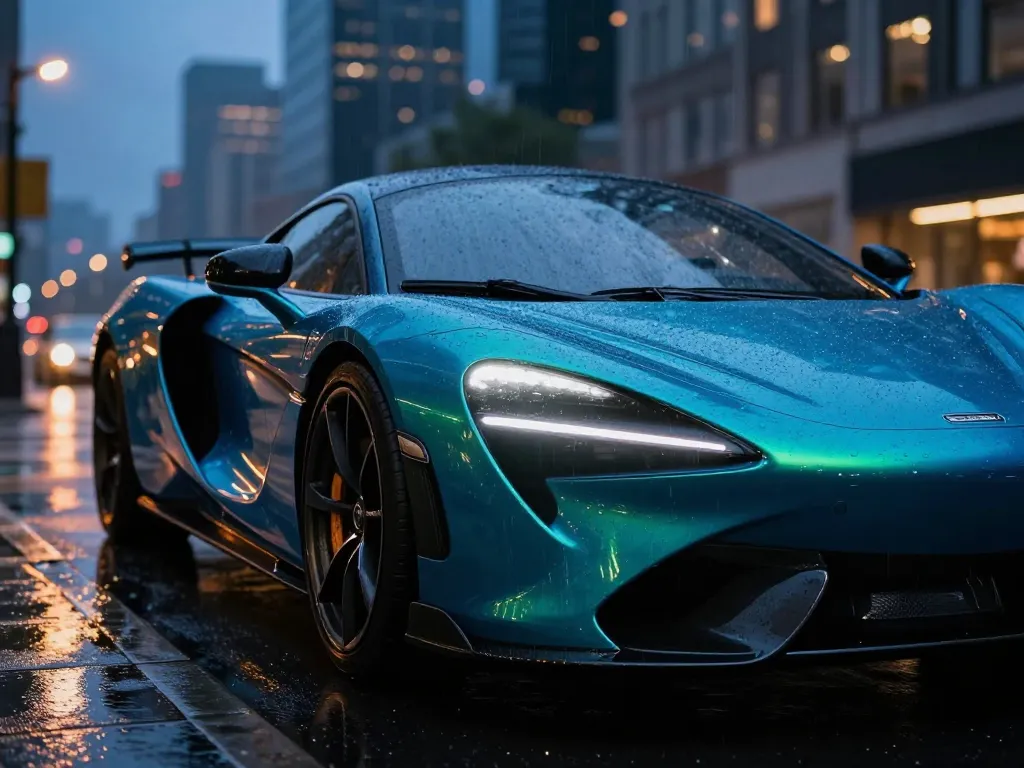
Understanding PPF Winter Road Salt Protection
As winter approaches, automotive enthusiasts and everyday drivers alike must prepare their vehicles for the harsh conditions brought by the season. One significant concern during winter months is the damaging effect of road salt. Understanding how to shield your car from these threats can extend its lifespan and maintain its aesthetic appeal. PPF winter road salt protection offers an effective solution, making it essential for anyone looking to preserve their vehicle’s exterior.
What is PPF and How Does it Work?
Paint Protection Film (PPF) is a transparent urethane film applied to the exterior surfaces of vehicles. This advanced material is designed to absorb the impact from debris, rocks, and, importantly, corrosive elements like road salt. The film acts as a sacrificial layer that takes the brunt of these damages, ultimately protecting your vehicle’s original paintwork.
PPF works by utilizing a self-healing technology that allows minor scratches and swirls to disappear when exposed to heat, keeping your car’s surface smooth. The film is typically applied to high-impact areas such as the hood, bumpers, and side mirrors, but can also cover entire panels for complete protection. The application creates a barrier against contaminants, enhancing the durability of the underlying paint.
Why Choose PPF for Winter Protection?
When it comes to wintertime protection, several factors make PPF a superior choice compared to traditional methods. First, PPF offers a transparent, nearly invisible layer, meaning it won’t alter your car's appearance, unlike bulky wax or sealants. Additionally, PPF is resistant to UV rays, which helps to prevent fading and oxidation, a common concern in regions with harsh winters.
Furthermore, once applied, PPF requires minimal maintenance, allowing you to focus on enjoying your vehicle rather than worrying about its appearance. The film's durability ensures that it can withstand the rigors of winter road conditions, offering reliable protection against salt damage, which can eat away at paint and metal surfaces.
Common Misconceptions about PPF
Despite its advantages, several misconceptions about PPF might deter potential users. One prevalent myth is that PPF is only necessary for luxury cars or high-end vehicles. In reality, any vehicle can benefit from the protection offered by PPF, regardless of its make or model.
Another common misconception is that PPF is prone to yellowing over time. While older films may have experienced this issue, modern formulations are designed to be UV resistant and retain their clarity. Finally, some believe that applying PPF is a cumbersome process, but with professional installation, it can be swiftly and efficiently applied, ensuring your vehicle is ready for winter in no time.
Benefits of PPF in Winter Months
The benefits of applying PPF during the winter months extend beyond mere aesthetics. By choosing to protect your vehicle with PPF, you are investing in a range of advantages that ensure longevity and maintain the value of your automobile.
Shielding Against Chemical Damage
One of the most significant benefits of PPF is its ability to resist chemical damage from toxic winter road treatments like salt and other de-icers. These substances can significantly harm your vehicle's paint if left unprotected, leading to rust and corrosion over time. PPF acts as a barrier against these harmful agents, significantly reducing the risk of damage.
With PPF protecting your vehicle, contaminants can be simply washed away without affecting the underlying paint. This is particularly important as salt can cause unseen corrosion that may worsen over time if not properly managed.
Maintaining Aesthetic Appeal
Winter conditions can quickly mar the appearance of your vehicle. Scratches, swirl marks, and other signs of wear can diminish your car's aesthetic appeal. The clear and glossy finish of PPF not only protects but also enhances the vehicle’s look. After a harsh winter, a simple wash can restore the shine, revealing a vehicle that looks as good as new.
Moreover, maintaining the paint’s integrity over time helps retain resale value, making PPF a financially sound choice for vehicle owners concerned with long-term investments.
Durability and Longevity of the Film
Modern PPF technology is engineered for durability and longevity. Many films come with an extended warranty—often up to 10 years—demonstrating their resilience against the elements. Even during rough winters, PPF can withstand exposure to harsh treatments and abrasive conditions without peeling or degrading.
This inherent durability means less frequent reapplication compared to wax or sealants, providing a cost-effective solution in the long run. Investing in high-quality PPF installation offers peace of mind, knowing your vehicle is well-equipped to handle winter’s challenges.
Proper Application Techniques for PPF
The effectiveness of PPF largely depends on its correct application. Whether you choose to embark on a DIY project or hire a professional, understanding the application techniques can make a significant difference in the protection your vehicle receives.
Preparing Your Vehicle
Proper preparation is crucial for the successful installation of PPF. The vehicle should be thoroughly cleaned to remove any dirt, grime, or residues that could affect adhesion. This means washing the car and possibly using clay bars to eliminate embedded contaminants in the paint. Additionally, the application surface should be free from any wax or sealant, as these can also cause adhesion issues.
It's advisable to perform the installation in a controlled environment to prevent dust and debris from affecting the application. A garage or a designated work area can help maintain cleanliness.
Professional vs. DIY Application
While some may be tempted to apply PPF themselves, professional installation has distinct advantages. Professionals have access to superior materials and tools, and their experience can ensure the film is applied correctly, avoiding common pitfalls like misalignment or bubbles.
However, if you opt for a DIY approach, be sure to invest in quality materials and take your time. Clear instructions and a steady hand are essential for achieving the best results. Online tutorials and instructional videos can also serve as valuable resources.
Post-Application Care
After applying PPF, proper care is vital to ensure it performs as intended. Initially, it’s crucial to refrain from washing the vehicle for at least five to seven days to allow the film to cure and bond effectively with the paint. Once the film has set, regular gentle washes are sufficient to keep the surface clean.
Avoid using harsh chemicals or abrasive tools, as these can damage both the film and the paint underneath. Regular inspection of the film can help catch any potential issues early, such as lifting edges or bubbles that may need correction.
Comparing PPF with Other Winter Protection Methods
While PPF is a popular choice for winter vehicle protection, it’s essential to understand how it stacks up against other common methods. Evaluating the pros and cons of each can help you make an informed decision.
Waxing vs. PPF: What to Choose?
Waxing is a traditional method for protecting vehicle paint, offering a certain level of shine and water repellency. However, it requires regular reapplication, particularly in winter, to maintain effectiveness against road salt and other contaminants. PPF, on the other hand, provides continuous protection without the need for frequent renewals.
Moreover, wax can wear off and become less effective over time, while PPF remains intact, offering a longer-lasting solution. For serious paint protection, particularly in winter, PPF is likely the better investment.
Sealants and Their Limitations
Sealants are synthetic products designed to provide longer-lasting protection compared to traditional wax applications. While they can offer decent protection from environmental contaminants, they fall short of the level of defense provided by PPF. Sealants may wear down over time, especially in harsh winter conditions, exposing the paint beneath to road salt damage.
Additionally, sealants do not provide the same self-healing properties as PPF, making them less effective at handling minor scratches and impacts.
Cost-Effectiveness of PPF
Initially, the cost of PPF application can seem higher than waxing or using sealants. However, when evaluating longevity, effectiveness, and the potential costs of paint repair from road salt damage, PPF becomes a more cost-effective solution over time. The durability of PPF minimizes the need for constant reapplication and offers better long-term savings.
Furthermore, the protection it provides can significantly enhance the resale value of your vehicle, providing an additional layer of financial benefit worth considering.
Maintaining Your PPF Winter Road Salt Protection
Once you have invested in PPF, it's crucial to maintain it properly to ensure its effectiveness in providing winter road salt protection. Regular care will keep your vehicle looking polished and protect it from the adverse effects of winter conditions.
Cleaning and Care Tips
To keep your PPF in tip-top shape, gentle cleaning is recommended. Use a pH-neutral automotive soap and microfiber cloths when washing your vehicle. Avoid automated car washes that use harsh chemicals or brushes, as these may scratch the film.
For deeper care, you can use specialized PPF-safe detailing products that help restore and maintain shine without damaging the film. Regular washing and drying will prevent buildup from salt and other winter residues, ensuring the longevity of both the film and your vehicle's surface.
Signs of Wear to Watch For
It's essential to regularly inspect your PPF for signs of wear or damage. Look out for discoloration, peeling edges, or scratches that seem deep. Although PPF is highly durable, it is not immune to damage, especially under extreme conditions. If you notice any issues, address them promptly to prevent further complications.
Consulting with a professional installer can provide options for repair or touch-ups, ensuring your PPF continues to provide optimal protection throughout the winter.
When to Consider Replacement
While PPF is designed to last for several years, it may need replacement depending on the wear and tear it experiences. If you notice extensive yellowing, peeling, or other significant damage, it may be time to consider reapplication. Depending on the quality and installation of the film, many users find that their PPF can last well beyond its warranty period if properly maintained.
Regular inspections will help determine the right time for replacement, ensuring that your vehicle is always protected during the winter months and beyond.
Frequently Asked Questions About PPF Winter Road Salt Protection
1. How long does PPF last?
PPF can last anywhere from 5 to 10 years with proper care and maintenance, depending on the product's quality and environmental factors.
2. Can I apply PPF myself?
While DIY application is possible, professional installation is recommended for optimal results and to avoid common application mistakes.
3. Does PPF affect the vehicle's paint color?
No, PPF is transparent and does not alter the color of your vehicle. It enhances the shine and maintains the paint's original luster.
4. Will PPF protect against rust?
Yes, PPF protects against rust by shielding the paint from corrosive elements like road salt, which can lead to rusting.
5. Is PPF worth the investment?
Yes, PPF is an excellent investment for maintaining your vehicle's appearance and value, especially in harsh winter conditions.