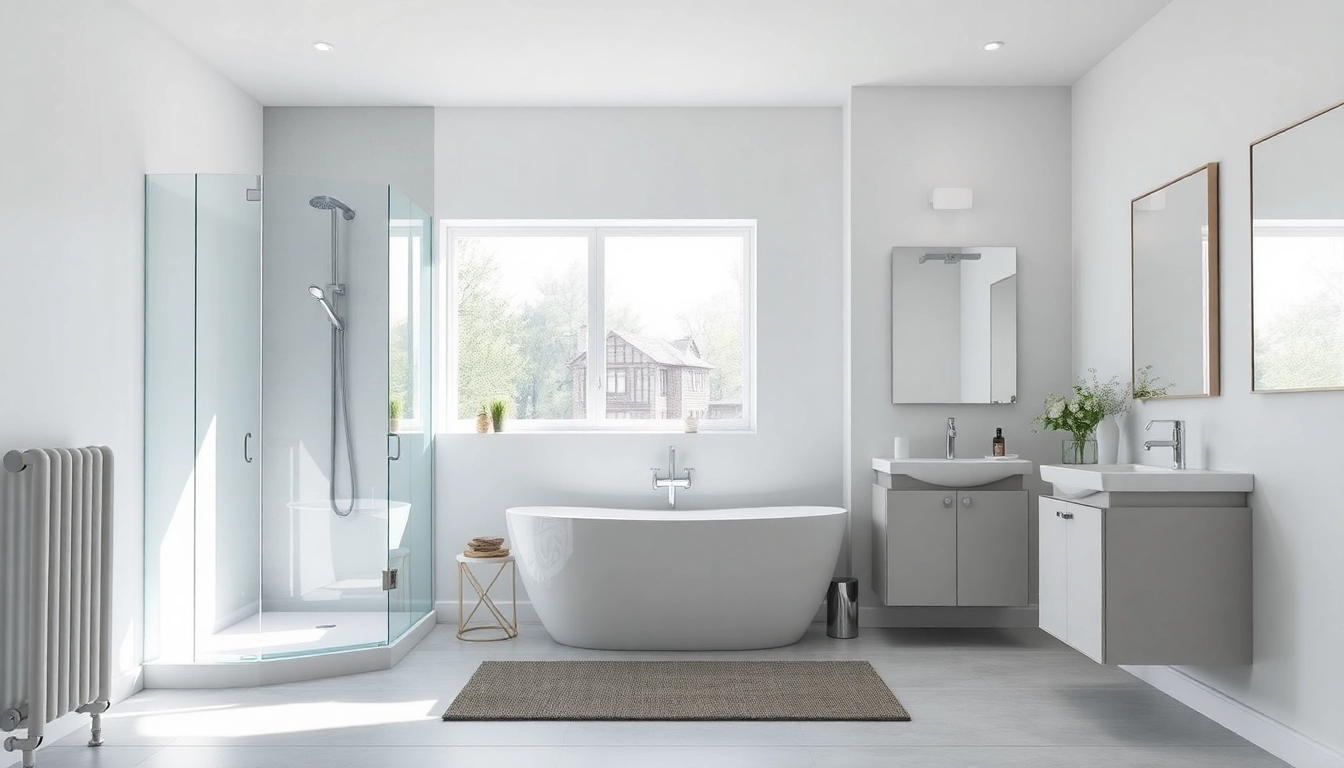
Understanding Sliding Glass Shower Doors
What are Sliding Glass Shower Doors?
Sliding glass shower doors are innovative and practical solutions designed to enclose your shower space without cumbersome swing doors that take up additional room. They consist of large glass panels that slide open and closed on tracks, adding a modern aesthetic to any bathroom. These doors are not just functional; they elevate the overall look of your shower, allowing light to flow through while providing the necessary privacy. If you’re looking for a stylish way to enhance your bathroom, sliding glass shower doors might be the ideal choice.
Types of Sliding Glass Shower Doors
When selecting sliding glass shower doors, you will encounter several types, each catering to specific preferences and space requirements:
- Framed Sliding Doors: These are enclosed in a frame, providing durability and strength. Best for users seeking a budget-friendly option without compromising quality.
- Frameless Sliding Doors: Offering a sleek design, these doors are made from thicker glass and require minimal hardware. They are ideal for luxury bathrooms, giving an open and airy feel.
- Semi-Frameless Sliding Doors: A middle ground between framed and frameless options, providing a blend of aesthetics and functionality.
- Bypass Sliding Doors: These consist of two or more doors that slide past each other on a rail. They are excellent for saving space while offering easy access to the shower.
- Quadrant Sliding Doors: Designed for corner installations, these doors turn corner showers into a visually appealing focal point.
Benefits of Choosing Sliding Glass Shower Doors
Choosing sliding glass shower doors offers various advantages, enhancing both utility and style:
- Space-Saving: By sliding open rather than swinging outward, these doors make effective use of bathroom space, especially in smaller areas.
- Easy Access: Sliding doors glide effortlessly, providing smooth access to your shower, which is beneficial for people of all ages.
- Modern Aesthetics: They lend a contemporary edge to any bathroom decor, making your space feel larger and more luxurious.
- Minimal Maintenance: Glass is easy to clean and maintain, requiring only regular cleaning to keep them looking pristine.
- Increased Natural Light: Being transparent, sliding doors allow natural light into the shower, creating a bright and inviting atmosphere.
Factors to Consider When Buying Sliding Glass Shower Doors
Measurements and Space Requirements
Accurate measurements are crucial when selecting sliding glass shower doors. Take into account:
- Shower Opening Size: Measure the height and width where the doors will be installed.
- Track Space: Ensure there is enough area on top of your shower or tub for the sliding mechanism.
- Wall Space: Consider if there’s sufficient space beside the shower to allow doors to slide open without obstruction.
- Overall Bathroom Layout: Analyze the positioning of bath fixtures to ensure a smooth pathway for door operation.
Material Choices for Sliding Glass Shower Doors
The materials used in sliding glass shower doors significantly impact their durability and aesthetics. Options typically include:
- Tempered Glass: This is the most common material used due to its safety and strength. It withstands high temperatures and is less likely to break.
- Laminated Glass: Another option, this glass combines multiple layers, ensuring that if it breaks, it shatters into small pieces instead of sharp shards.
- Frame Materials: Aluminum and stainless steel frames are popular for their durability and resistance to moisture.
- Finishes: Various finishes such as chrome, brushed nickel, or matte black can be selected to match your bathroom decor.
Cost Considerations and Budgeting
Budgeting for your sliding glass shower doors requires understanding the cost factors involved:
- Type: Pricing varies depending on whether you choose framed, frameless, or semi-frameless options.
- Size: Custom sizes typically cost more than standard ones.
- Material: Thicker glass and premium finishes will increase overall costs.
- Installation: Professional installation can add to your budget, but expert handling may minimize future issues.
Installation Tips for Sliding Glass Shower Doors
Preparing Your Bathroom for Installation
Preparation is key for a successful installation of sliding glass shower doors. Consider the following steps:
- Remove any existing shower doors and clean the area thoroughly.
- Ensure that your walls and floors are level, as surfaces need to support the door’s weight.
- Gather necessary tools such as a drill, screwdriver, level, and measuring tape.
- Read all instructions and ensure you understand how the installation system works before starting.
Step-by-Step Installation Guide
Here is a general outline of how to install sliding glass shower doors:
- Install the bottom track along the width of your shower space, making sure it is level.
- Attach the vertical side panels to the shower walls using screws.
- Secure the top track above the vertical panels, ensuring it is aligned correctly.
- Insert the sliding doors into their respective tracks, starting with the fixed panel.
- Finally, attach any handles or hardware required for operation.
Common Mistakes to Avoid During Installation
Even a simple installation can go awry. Here are common mistakes to steer clear of:
- Not measuring accurately, which can result in ill-fitting doors.
- Neglecting to ensure level installation, potentially causing issues with door operation.
- Forgetting to seal edges properly, which can lead to water leakage.
- Rushing through installation without adequately reviewing manufacturer instructions.
Maintenance and Care for Sliding Glass Shower Doors
Regular Cleaning Techniques
Maintaining sliding glass shower doors requires regular cleaning to prevent grime and soap buildup:
- Use a mixture of vinegar and water or a specialized glass cleaner.
- Avoid abrasive materials that can scratch the glass surface.
- Wipe down the doors after every use to minimize water spots.
- Clean tracks regularly to prevent debris accumulation and ensure smooth sliding.
Dealing with Common Issues
Over time, you may encounter several common issues with sliding glass shower doors:
- Sticking Doors: This can often be resolved by cleaning the tracks and ensuring they are free from debris.
- Leaks: Check seals and gaskets; replace any that appear worn or damaged.
- Scratches: Minor scratches can sometimes be polished out; consider applying a glass repair kit if they are severe.
Long-Term Maintenance Best Practices
Following a few long-term maintenance practices can ensure the longevity of your sliding glass shower doors:
- Conduct regular inspections to catch small issues before they become larger ones.
- Create a cleaning schedule that suits your lifestyle and stick to it.
- Avoid harsh chemicals that can damage glass or hardware finishes.
- Consider applying water-repellent coatings to the glass to keep them looking new longer.
FAQs About Sliding Glass Shower Doors
How Much Do Sliding Glass Shower Doors Cost?
Prices can range from $700 to $2,000 depending on the type, size, and materials used. Custom options may exceed this range.
Can I Install Sliding Glass Shower Doors Myself?
Yes, installation can be DIY, but it requires precision and the right tools. Following the manufacturer’s guidelines is crucial to ensure correct assembly.
How to Clean Sliding Glass Shower Doors Effectively?
Use a mixture of vinegar and water or a mild glass cleaner along with a microfiber cloth. Regular wiping down after showers helps prevent buildup.
What Sizes Do Sliding Glass Shower Doors Come In?
Sliding glass shower doors come in various sizes, typically ranging from 48 inches to 72 inches, or can be custom-made for unique spaces.
Are Sliding Glass Shower Doors Safe for Children?
While they are generally safe, supervision is necessary around glass doors. Consider child-friendly designs such as those with lower edges or softer finishes.