



Dentists: Essential Practices for Optimal Oral Health and Care
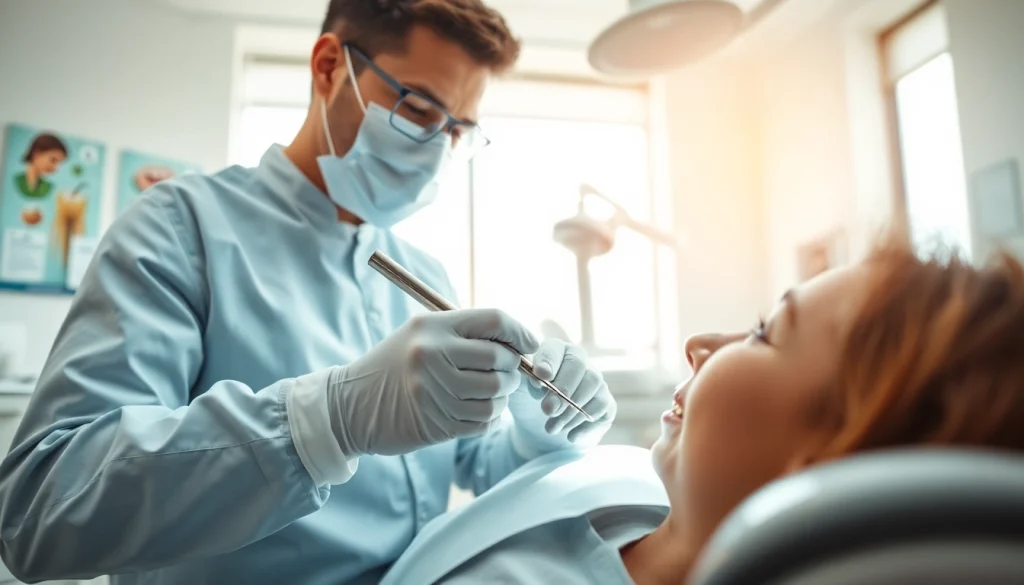
Maintaining optimal oral health is a vital component of overall well-being, and at the forefront of this endeavor is the Dentist. This article delves into the many roles dentists play in our lives, from routine care to advanced procedures, demonstrating their integral importance in healthcare.
The Role of Dentist in Oral Health
Understanding the Dentist’s Function
A dentist is a health care professional who specializes in diagnosing, treating, and preventing oral health issues. This includes a variety of functions, such as removing decay, filling cavities, and providing examinations based on clinical findings. Dentists require extensive education and training, typically including a bachelor’s degree followed by dental school, where they earn either a Doctor of Dental Surgery (DDS) or a Doctor of Dental Medicine (DMD) degree.
Furthermore, dentists are not only skilled in surgical techniques but also possess knowledge in patient care, pain management, and the psychological aspects of dental visits, ensuring that patients feel comfortable and informed. Their expertise extends to supervision and management of dental hygienists and dental assistants in the practice.
The Importance of Regular Dental Check-Ups
Regular dental check-ups are essential in maintaining good oral health. The American Dental Association recommends visiting the dentist at least twice a year. These check-ups allow for early detection of dental issues such as cavities, gum disease, and even potential oral cancers. During these visits, comprehensive examinations that include X-rays are often performed to identify concerns not visible to the naked eye.
Furthermore, dental visits can help educate patients about proper oral hygiene practices, dietary choices that affect oral health, and provide personalized plans to maintain a beautiful and healthy smile. As dental diseases can lead to complications beyond oral health, such as heart disease and diabetes, regular visits are paramount for preventative care.
Common Procedures Carried Out by Dentists
Dentists perform a wide range of procedures tailored to the specific needs of patients. Among the most common procedures are:
- Fillings: Used to repair cavities caused by decay by placing a material (e.g., amalgam, composite) in the cavity.
- Root Canals: This treatment saves a tooth that is badly decayed or infected by cleaning the inside of the tooth and sealing it.
- Extractions: In cases where a tooth is severely damaged or decayed, dentists may extract the tooth to prevent infection.
- Crowns: These custom-made caps are placed over teeth to restore their shape, size, and strength, usually after a root canal or severe decay.
- Braces and Orthodontics: Dentists may provide treatment to correct misaligned teeth and jaws.
These procedures not only address immediate dental issues but also support the long-term health and functionality of teeth.
Choosing the Right Dentist for Your Needs
Factors to Consider When Selecting a Dentist
Choosing the right dentist can significantly impact your oral health journey. Here are key factors to consider:
- Qualifications and Experience: Ensure the dentist is licensed and check their educational background and years of practice.
- Reputation: Online reviews, patient testimonials, and recommendations from friends or family can provide insight into a dentist’s reputation.
- Office Location and Hours: Consider convenience; a local dentist with flexible hours may facilitate regular visits.
- Services Offered: Depending on your needs, check whether the dentist provides specific services you may require, such as cosmetic or emergency dentistry.
- Insurance Compatibility: Verify if the dentist accepts your insurance plan to prevent unexpected expenses.
Taking the time to research potential dentists can ensure that you find one who fits your needs and provides excellent care.
What to Expect During Your First Visit to the Dentist
Your first visit to a new dentist can be a little intimidating, but knowing what to expect can ease anxiety. The initial appointment typically involves an extensive examination of your oral health, including:
- A review of your medical history: It is crucial for the dentist to understand any health conditions or medications that could affect your dental treatment.
- A comprehensive oral examination: This includes checking for cavities, gum disease, oral cancer, and other dental concerns.
- X-rays: Depending on your dental health history, the dentist might take X-rays to gain a better understanding of your teeth and jaw structure.
- Discussion of findings: The dentist will explain any problems found and discuss treatment options.
- Professional cleaning: If necessary, a dental hygienist may perform a thorough cleaning to remove plaque and tartar buildup.
After this appointment, you will have a better understanding of your dental health and any next steps required to maintain optimal oral hygiene.
Questions to Ask Your Dentist
During your visit, be proactive and ask questions to understand your oral health better. Some important questions to consider are:
- What is the best oral hygiene routine for me?
- How often should I schedule check-ups and cleanings?
- Are there any dental issues I need to be aware of?
- What are my treatment options for any identified issues?
- Do you offer any preventive treatments, such as sealants or fluoride treatments?
Being inquisitive not only shows that you are engaged but also empowers you to take control of your oral health.
Preventative Care: How Dentists Help Maintain Oral Health
Importance of Dental Hygiene in Daily Routine
Dental hygiene involves habits and practices that maintain oral health and prevent dental diseases. Proper dental hygiene includes brushing at least twice a day with fluoride toothpaste, flossing daily to remove plaque between teeth, and utilizing mouthwash to reduce bacteria. Dentists often stress the importance of these practices, as poor hygiene can lead to serious issues like gum disease, cavities, and tooth loss.
Establishing a daily routine may require reminders or even digital applications that keep individuals accountable for their oral care. Evidence suggests that good oral hygiene significantly reduces the prevalence of common dental issues, thereby promoting long-term oral health.
Fluoride Treatments and Sealants
Fluoride treatments and sealants are powerful preventive measures that dentists recommend to safeguard against decay, especially for children. Fluoride helps to remineralize tooth enamel, making it more resistant to acid attacks from plaque and sugars. It is particularly beneficial in high-cavity-risk individuals.
On the other hand, sealants are thin plastic coatings applied to the chewing surfaces of the back teeth, where decay often starts. These sealants act as barriers, shielding teeth from plaque and acids. Research shows that sealants can reduce the risk of cavities by nearly 80% in molars.
Impact of Diet on Dental Health
What we eat and drink has a profound effect on our dental health. Sugary and acidic foods can contribute to decay, while foods rich in vitamins and minerals promote health. Dentists often advise patients to limit sugary snacks and beverages, instead recommending a diet that includes:
- Leafy greens: They provide essential nutrients like calcium and folic acid.
- Crunchy fruits and vegetables: Foods like apples and carrots can help clean teeth naturally while providing vitamins.
- Dairy products: Items such as milk and cheese are high in calcium and phosphate, which are vital for healthy teeth.
- Nuts: Rich in essential fatty acids and antioxidants that contribute to overall benefit.
Maintaining a balanced diet, combined with professional care from a dentist, will go a long way in maintaining excellent oral health.
Advanced Dental Procedures and Technology
Innovative Tools Used by Dentists Today
Modern dentistry has been significantly enhanced by technological advances. Dentists are now able to provide more comfortable, efficient, and precise care. Some innovative tools include:
- Digital X-rays: These provide instant images with less radiation exposure compared to traditional X-rays.
- Laser Dentistry: Lasers are used for a variety of procedures, including gum reshaping and cavity removal, often reducing discomfort and recovery time.
- Cone Beam CT: A 3D imaging tool that offers precise images of facial structures, aiding in dental implants and other complex procedures.
- Intraoral Cameras: These small cameras provide dentists with a clear view of dental problems from various angles and allow patients to see what the dentist sees, improving understanding and communication.
Such technological advancements not only enhance the efficiency of dental procedures but also significantly improve patient outcomes.
Understanding Cosmetic Dentistry Options
Cosmetic dentistry focuses on improving the appearance of teeth, gums, and smiles. Unlike standard dental care, which is primarily concerned with oral health, cosmetic procedures address aesthetic concerns. Some popular options include:
- Teeth Whitening: Professional whitening treatments can drastically improve tooth color by removing stains.
- Veneers: These are thin shells bonded to the front of teeth to enhance their appearance.
- Bonding: A tooth-colored resin is applied to teeth to correct imperfections.
- Orthodontics: Beyond traditional braces, there are now aesthetic options such as clear aligners.
Cosmetic dentistry can significantly boost confidence, helping individuals achieve the smiles they desire.
Emergency Dental Services: What to Know
Dental emergencies require immediate attention to alleviate pain and prevent further complications. Common types of dental emergencies include:
- Knocked-out teeth: Preserving a knocked-out tooth correctly can allow for reattachment.
- Severe toothaches: Often the result of decay or infection, these require immediate evaluation.
- Broken or cracked teeth: Immediate care is necessary to prevent further damage or infection.
- Soft tissue injuries: Cuts or tears in the gums, tongue, or cheeks may require stitching or evaluation by a dentist.
Most dentists offer emergency services or will direct patients to an urgent dental care provider, stressing the importance of not waiting for symptoms to resolve on their own.
Future Trends in Dentistry: What Dentists Need to Know
Embracing Teledentistry for Patient Care
In an age where technology continues to reshape healthcare, teledentistry has emerged as a valuable tool for increasing accessibility. Patients can engage in virtual consultations where dentists can evaluate symptoms, provide recommendations, and even follow-up on care remotely. This is particularly beneficial for those in remote areas or those who find it challenging to visit the office in person.
As this method continues to evolve, it could empower patients through education and foster a proactive approach to oral health, increasing the general awareness of dental hygiene practices online.
Green Practices in Dental Offices
Environmental awareness has reached the healthcare industry, and dentistry is no exception. Many practices are implementing green initiatives to minimize environmental impacts. This includes:
- Using digital records to reduce paper waste.
- Implementing recycling programs for dental materials and packaging.
- Utilizing energy-efficient equipment and LED lighting.
- Employing eco-friendly dental materials and disinfectants.
Patients are increasingly considering eco-friendliness in their healthcare choices, making it a critical focus area for modern dental practices.
The Rise of AI in Dental Diagnostics
Artificial Intelligence (AI) is making waves in many industries, and dentistry is no different. Machine learning algorithms can analyze dental images to detect cavities and abnormalities with high precision. Dentists can harness AI technology to streamline diagnostics and treatment planning, thereby increasing accuracy and efficiency in care.
Looking forward, the integration of AI into dental practices could lead to improved outcomes, enhanced patient engagement, and reduced treatment times.